Old-fashioned Melk-kos

I see there are several posts on melk-kos doing the rounds at the moment – mostly for the butter and flour dough version.  Here’s my family’s version, re-posted from July last year, for those who would like to try the other method!

Melk-kos (literally, ‘milk-food’) is as South African as braai-vleis, bobotie and boerewors!  To me (and my kids) it’s the ultimate winter comfort food!

It’s warm, sweet, stodgy, cinnamony and just delicious – trust me on this one! A bowl of melk-kos on a cold wintery afternoon, while sitting in front of a fire, is the perfect comfort food, very satisfying.  Smile

This is one of those vintage recipes which my mother taught me to make – her mother used to make it when my mom was a little a girl during the Depression years. My mother grew up on a farm near Potchefstroom; her father grew wheat, and, of course, they had cows for milk. Melk-kos makes use of ingredients that would be on hand on a farm in that area even when times were hard – flour and milk. Melk-kos was one of my father’s favourite foods – he always asked my mom to make it on cold Saturdays on the farm in Rhodesia when I was a child; I learnt to make it as my mom’s assistant.

Making melk-kos looks complicated, but it’s easy enough when you know how, so here’s my family recipe, step by step:
Old-fashioned Melk-kos

Old Fashioned Melk-kos

1/2 cup of flour

A little salt

Cold water

3 cups of milk

Cinnamon and sugar to serve


  • Place the flour in a bowl, mix in the salt and add enough water to make a workable dough.
  • Tip the dough out onto a floured surface (I usually work on a bread board) and knead it slightly to combine – no need for more, it’s not a bread dough, you just want to be able to roll it out.
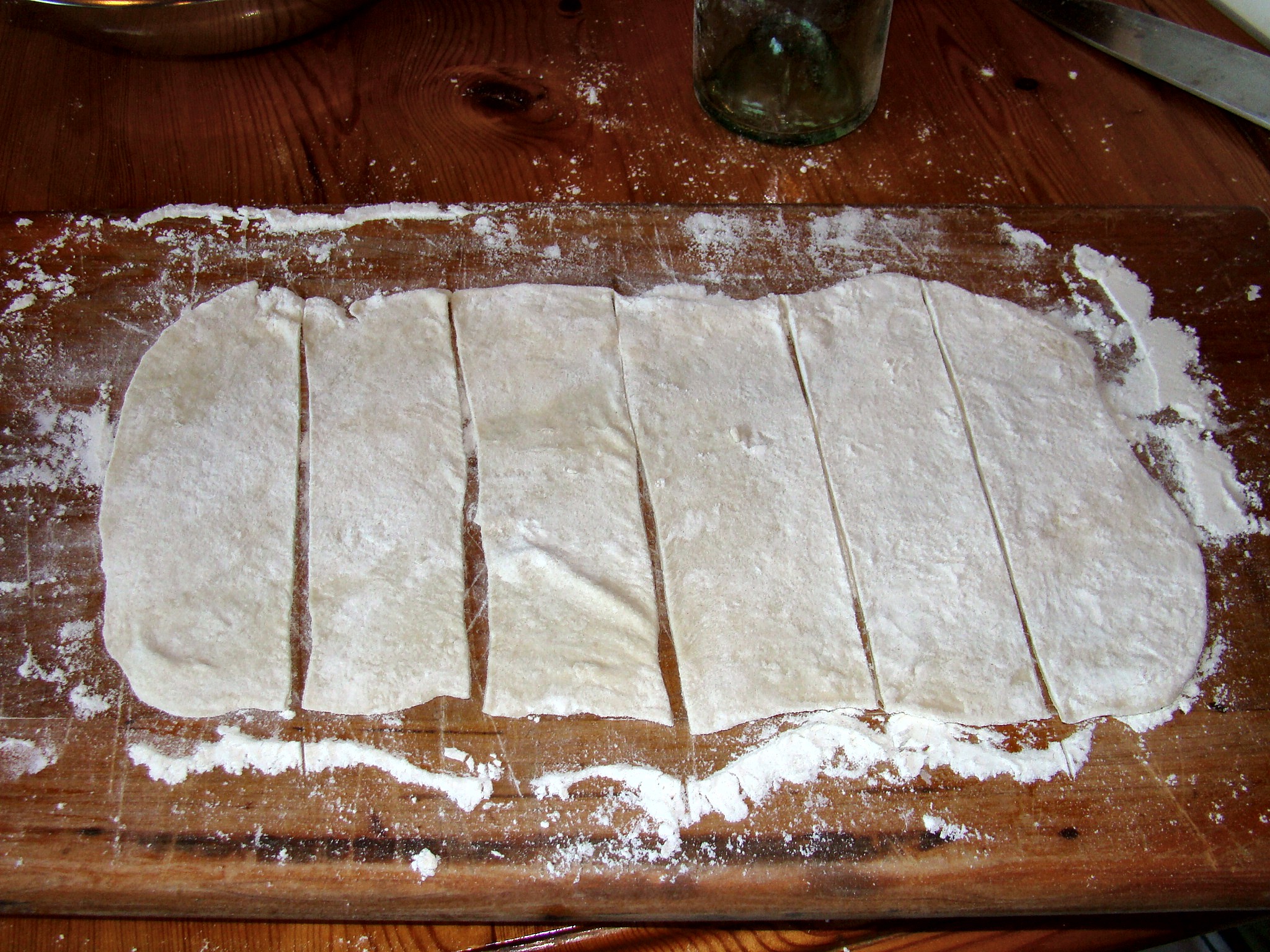
  • Cut the dough in half, set one half aside and roll out the other half until it is a paper-thin rectangle (roughly).  Use plenty of flour to prevent sticking.
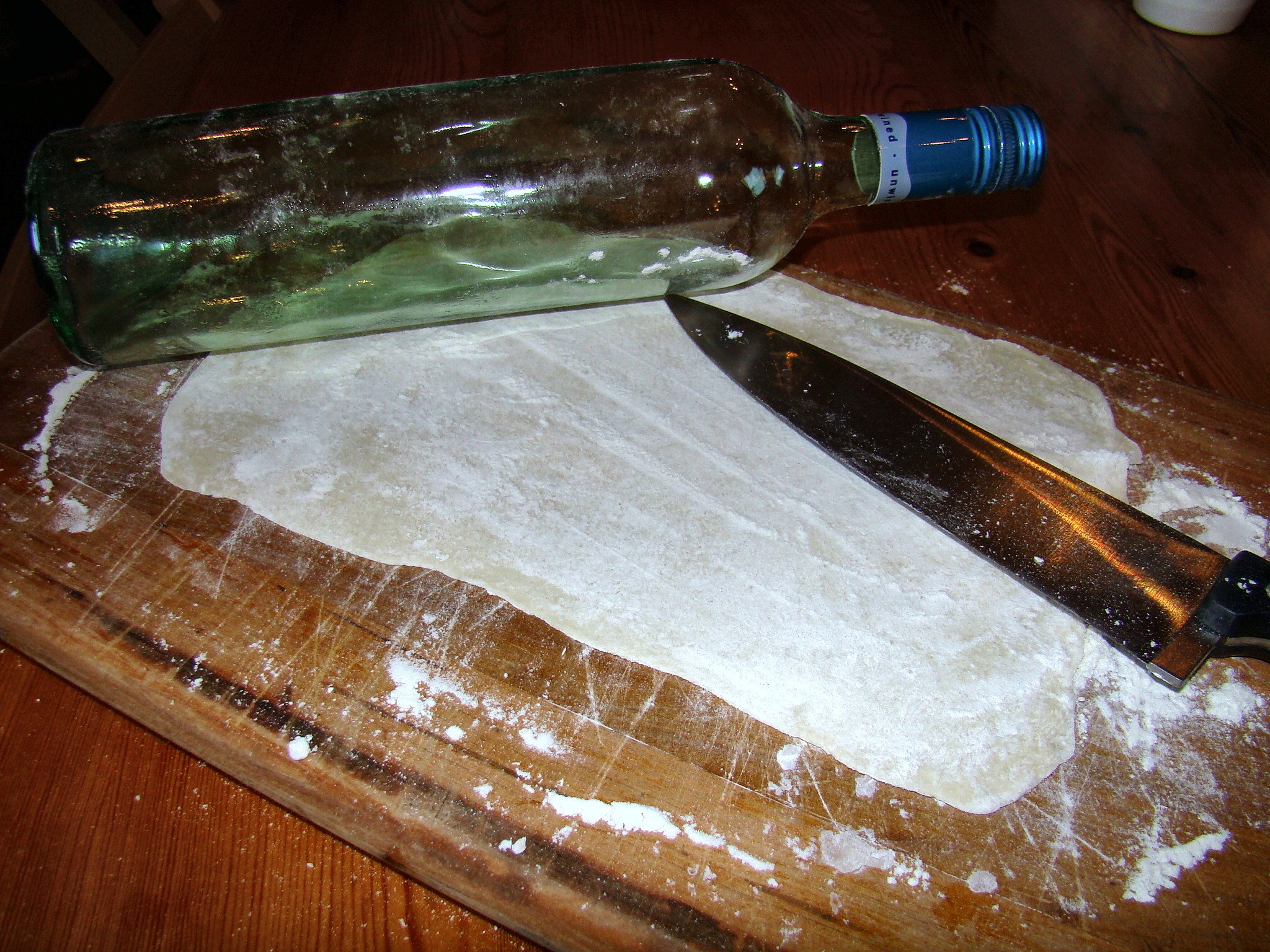
 

Old-fashioned Melk-kos  Old-fashioned Melk-kos 


  • Cut the rectangle into strips about 5 or 6 cms wide.
  • Pile the strips up on top of each other, with plenty of flour between them.  
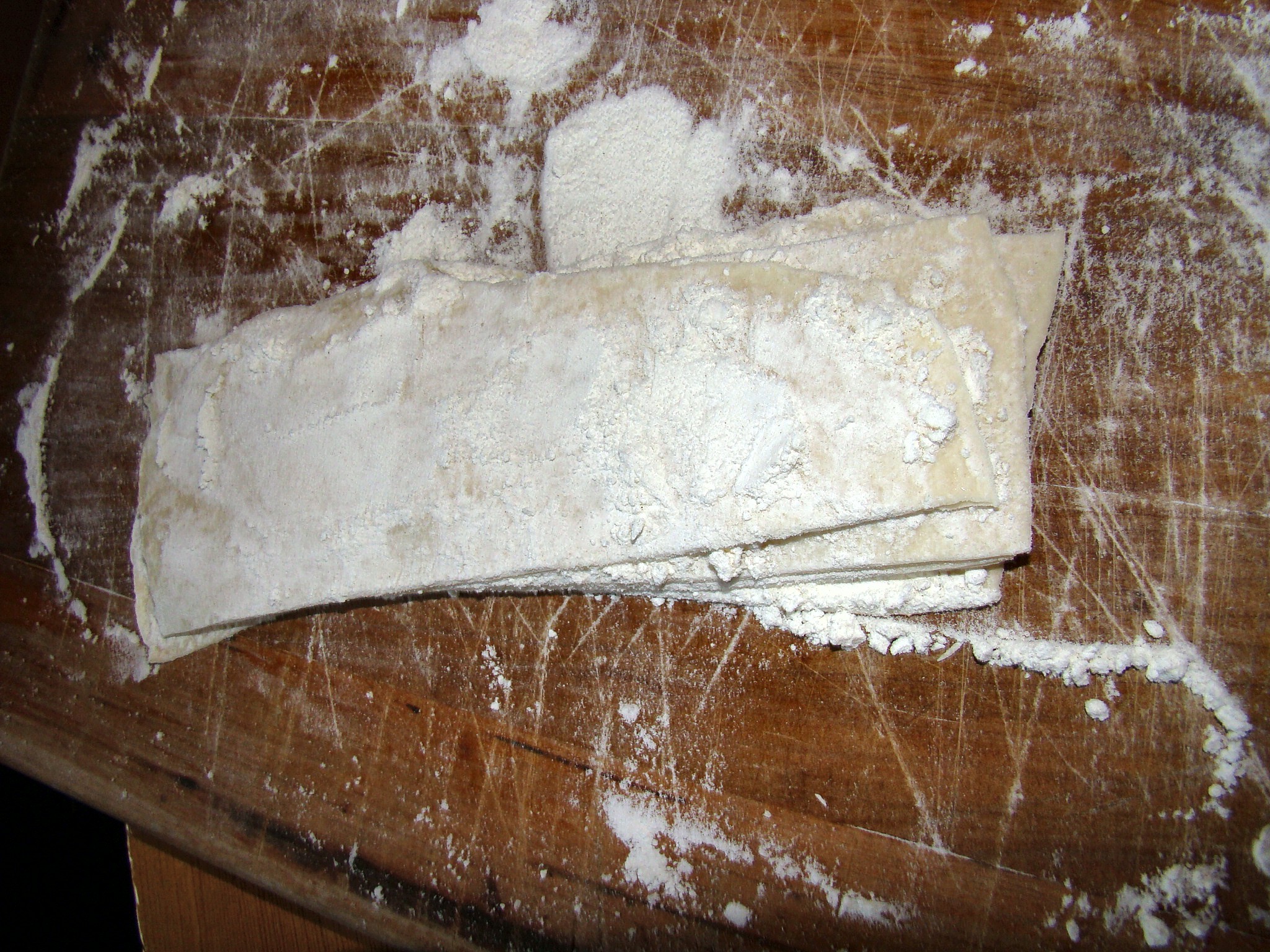
 

Old-fashioned Melk-kos    Old-fashioned Melk-kos

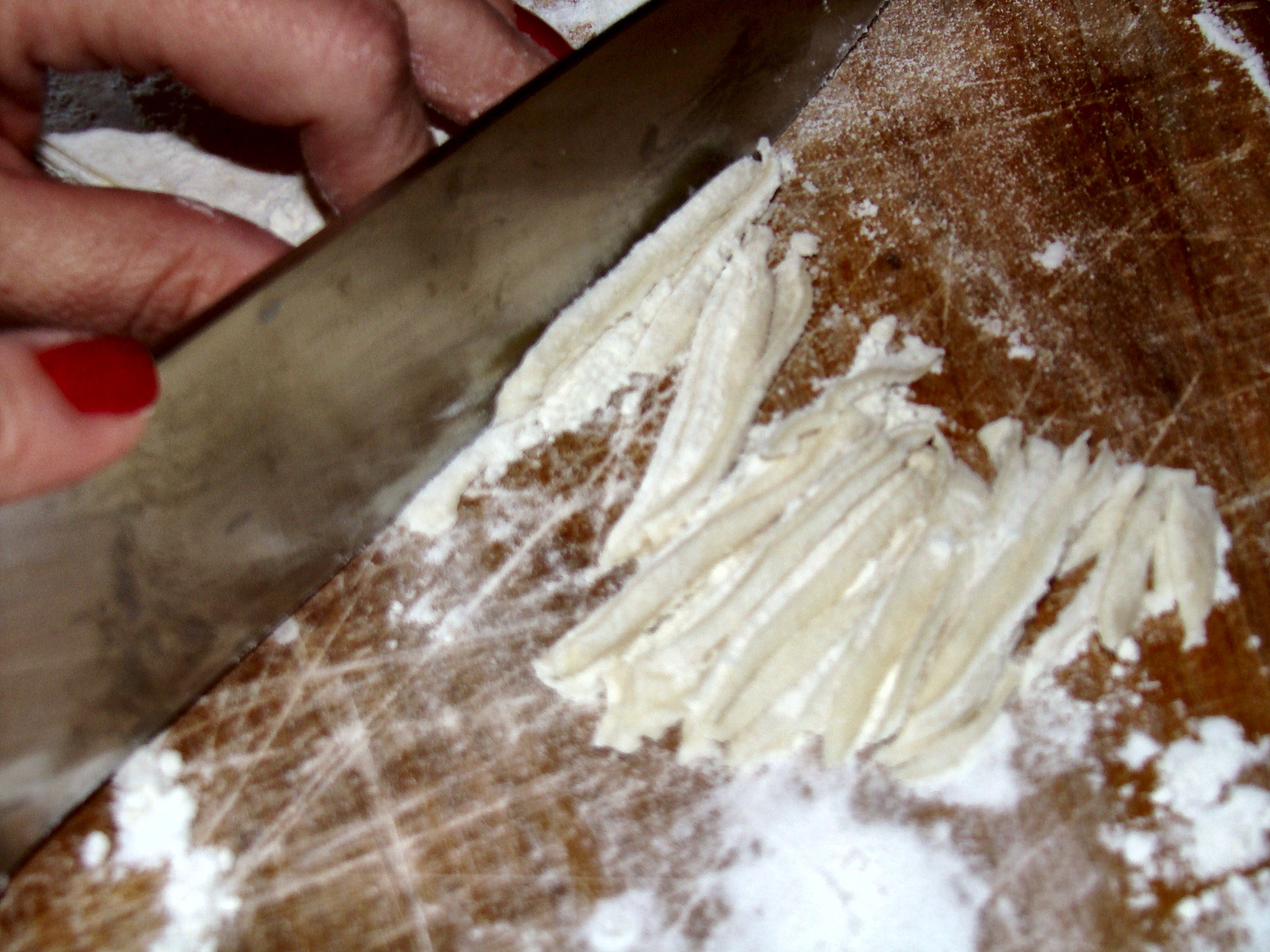
  • Now cut across the pile with a very sharp knife to form thin little strips – try to almost ‘shave’ the dough. 
  • Place them in a bowl and add several more heaped tablespoons of flour. Work the flour through the strips so that they are separated, adding as much flour as you feel it needs.
  • Repeat the process with the other piece of dough. You should have a bowlful of floured strips of dough when you are finished.
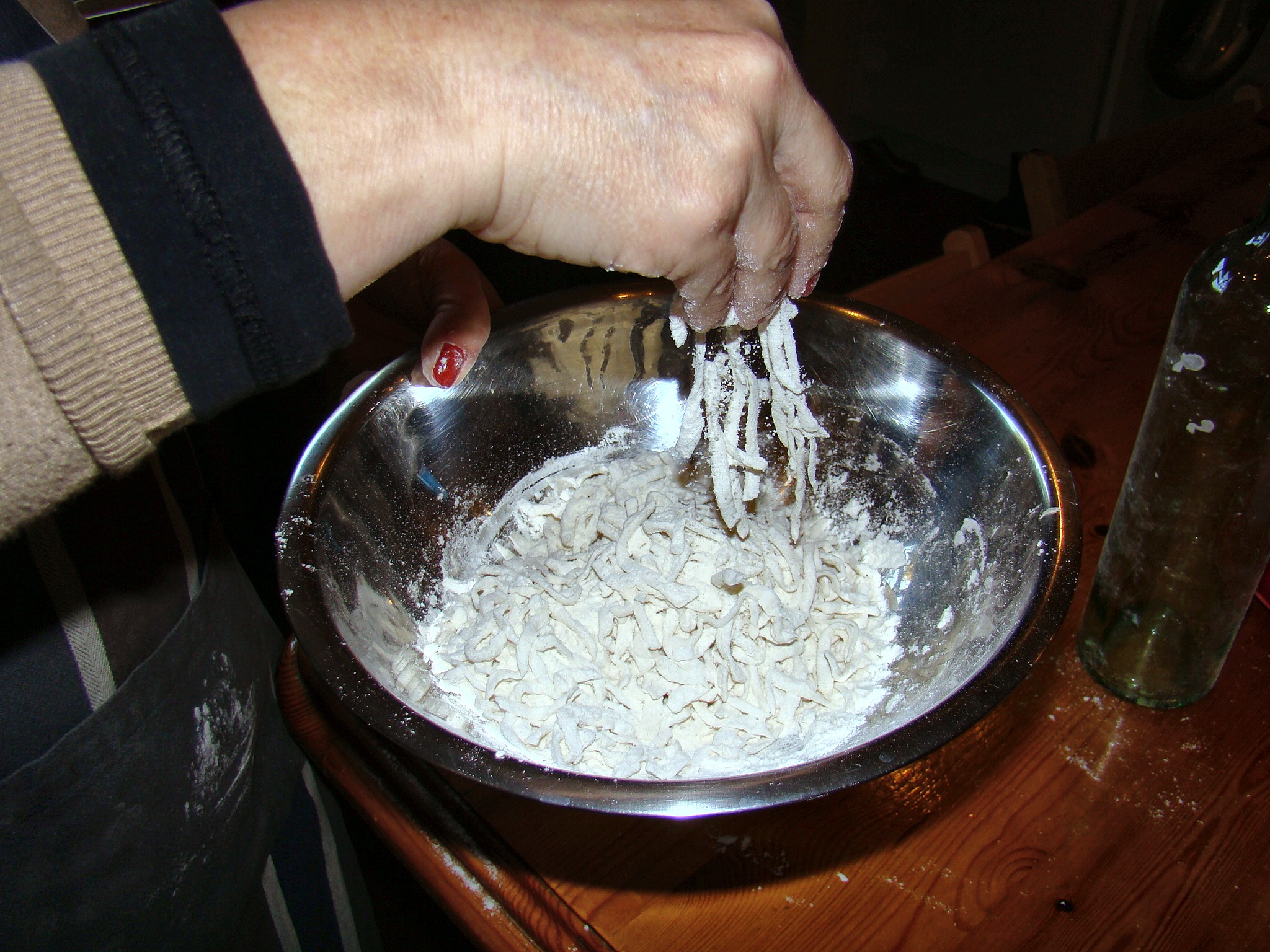
  

  Old-fashioned Melk-kos  Old-fashioned Melk-kos

  • Measure 3 cups of milk (and it may as well be full-cream, people, this is NOT a diet recipe Laughing) into a large pot, and bring to the boil. Turn down the heat.
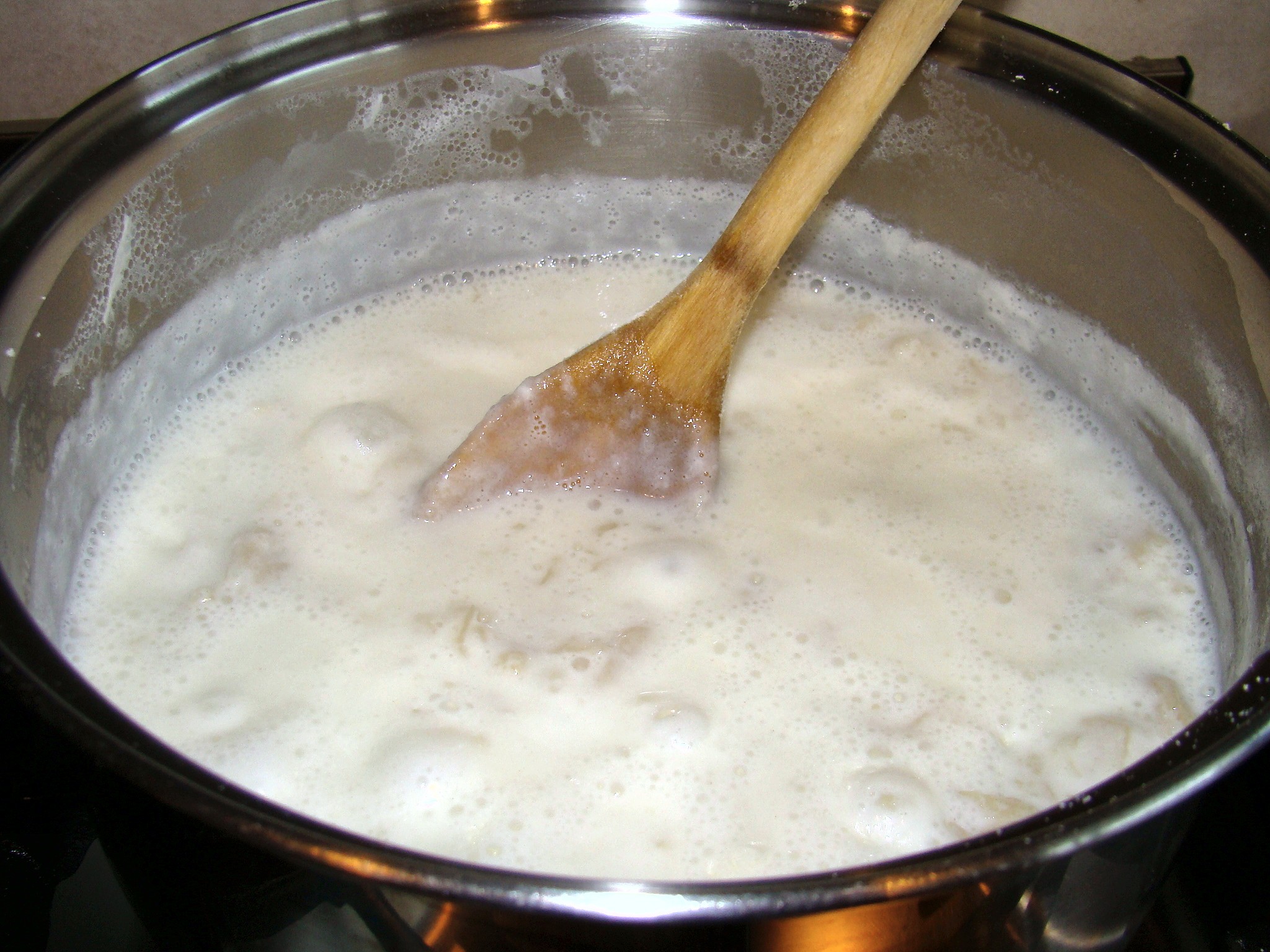
  • Now sprinkle the strips of dough and the extra flour into the boiling milk, stirring as you do so.
  • Allow to simmer for 15 to 20 minutes, until it is thick and cooked (do a taste test), stir often to prevent it from sticking and burning.
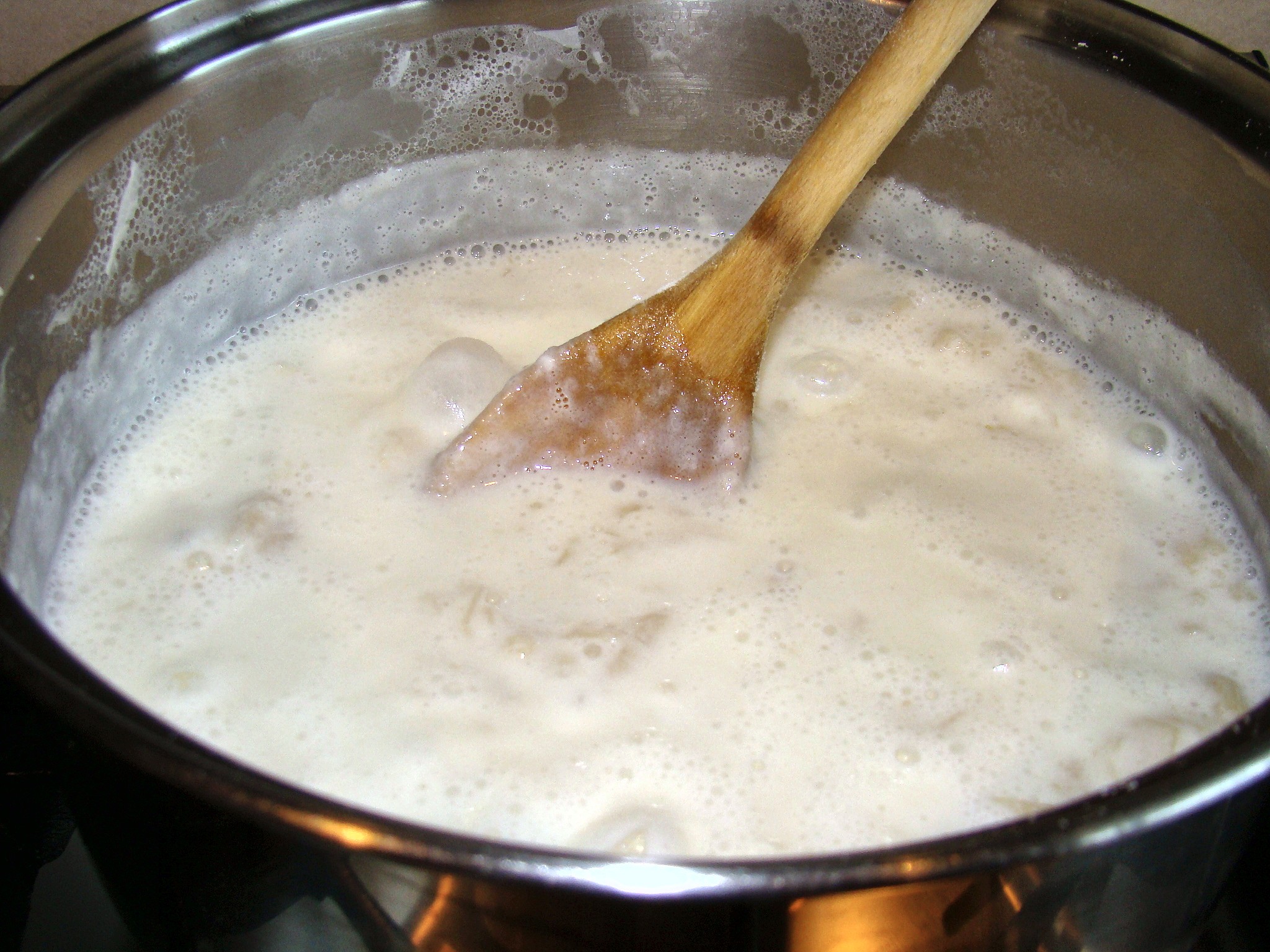
 

Old-fashioned Melk-kos

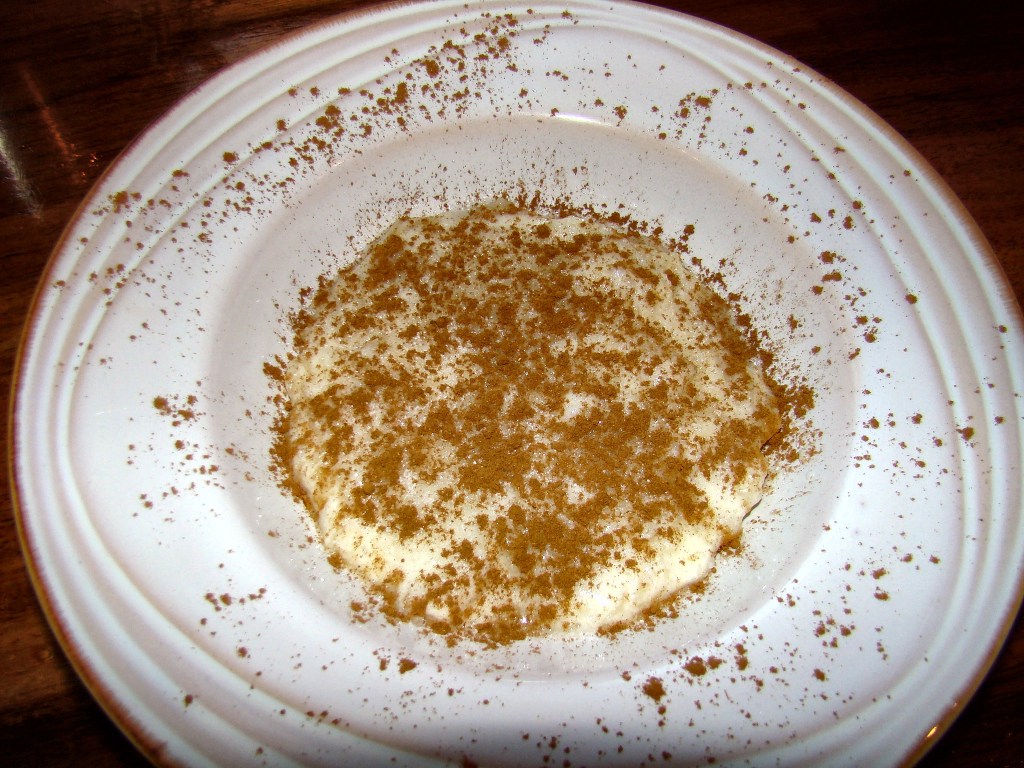
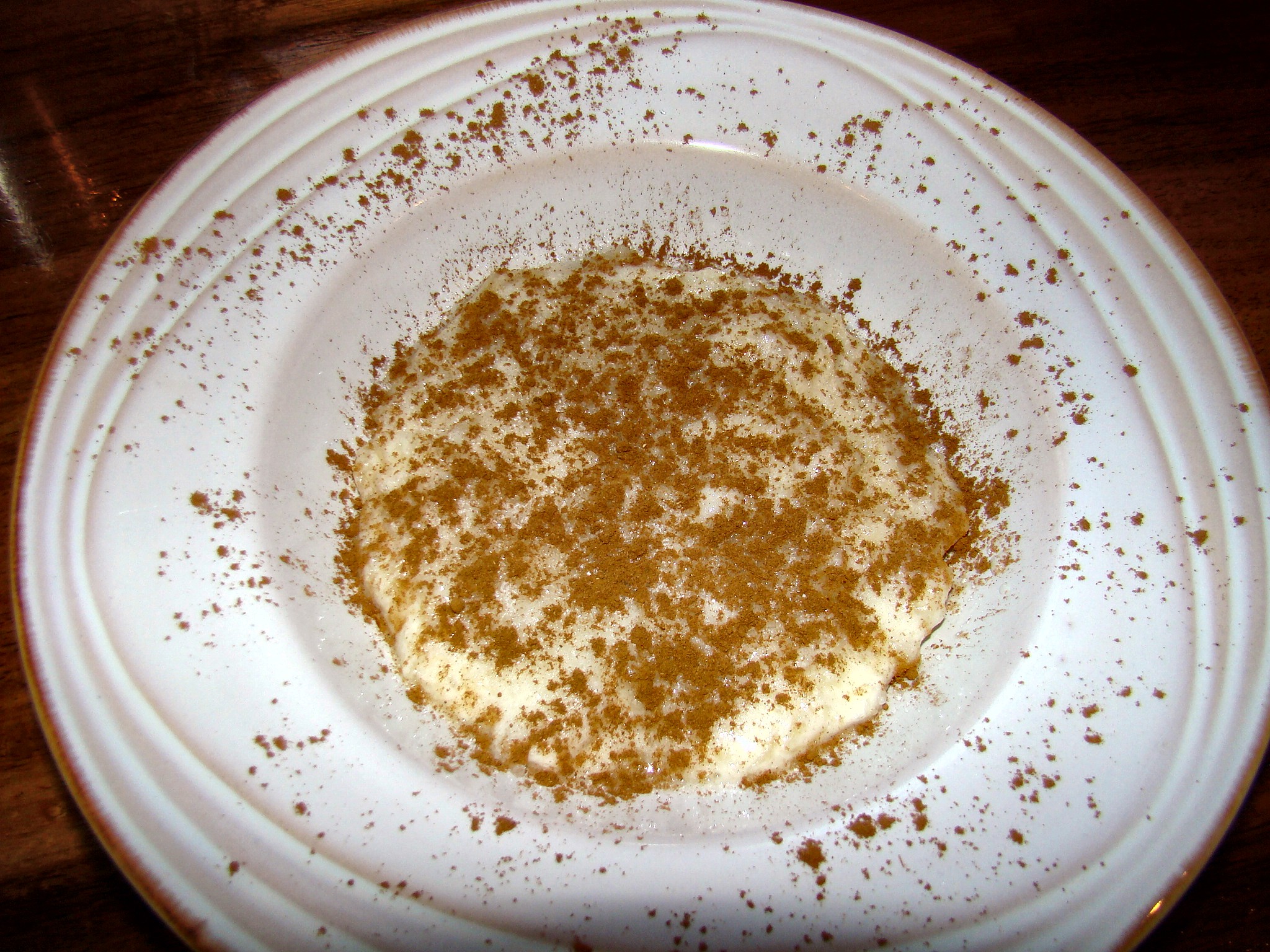
Dish up into bowls, sprinkle with sugar and cinnamon (or let each person do their own!); it makes enough for 4 generous bowls. I think this could also be served as a dessert, then it would be enough for 6, but it must be served immediately.

And yes, I have made this when camping!!!!!!  Laughing

Do let me know if you try it!

19 responses to “Old-fashioned Melk-kos”

  1. […] remains quiet while the others chat away about melkkos, various ways to do a fillet and another favourite, bobotie. The thing that transports him back to […]

    Like

  2. Thank-you, this is the way my mom used to make it but I never found the recipe among her stuff. I have tried to find this method before but only found the “other” way. Never thought to look in the camping food sites… I know it is summer but I am making it now!

    Like

    1. Hello Shani – thank you for your comment! I’d never heard of the ‘other way’ to make melk-kos either, as my mom only made it this way, too. So glad I could help – I hope you enjoyed the melk-kos! 🙂

      Like

  3. So interesting. Something to try for a cold winters day in France!!!

    Like

    1. Who knows – it may even be French in origin. Tell you what, I’ll come to France and cook it for you, okay 😉

      Like

  4. Thank you so much for sharing this Zabs, Im definitely going to try it now that I have made the frummeltjie one…..;) Have a great weekend. Hugs xxx

    Like

    1. ‘Frummeltjie’ – I love that word!! LOL

      Thanks for stopping by, browniegirl – HUGS!!!!!!!

      Like

  5. pinkpolkadotfood Avatar
    pinkpolkadotfood

    I just looove melkkos,but I have never tried this method! Will definitely give try it!

    Like

    1. I love melk-kos too, YUM! But I’ve never made it the other way…we’ll have to ‘cross-over’, haha!!!!!

      Like

  6. I still have to try this!

    Like

    1. Don’t know when you’ll find time – you’re such a busy cook!!! Have a great weekend xx

      Like

  7. Had never heard of this but even though we´re sitting here melting from the heat, I´m craving them! As an aside, I worked as a Consultant for one of the major UK dairy companies, and learned a lot about milk and cheese…most of it pretty interesting I have to say! You and Mandy are both right about the small difference in fat between full cream milk and semi skimmed…it´s minimal, and for the amount that most people consume daily, it´s not going to do you any harm (unless you have to be on a seriously low fat diet for health reasons). And yes, it hasd less “done to it”.

    Like

    1. Hope you’ll try making melk-kos, Chica, when it gets cold enough in Spain – you’ll get a taste of traditional South Africa!

      Thanks for the info on milk – very interesting, and I love being right 😉 Would love to tap in to what you know about cheese….

      Like

      1. Will have to go and dig out some of my notes!

        Like

      2. That would be cool! I’m looking forward to your post 🙂 I adore cheese, any kind, will often order a cheese platter rather than a meat dish in restaurants.

        Like

  8. I really am going to have a go at this Melk Kos! Sounds interesting. Where does this dish originate from? I understand that it’s a classic but would love to know where it originated, France? Holland? xxx jan

    Like

    1. That’s a good question, Jan. My family is descended from both French and Dutch forbears, so it could be either – I’ll do some research 🙂

      Like

  9. Recipes from our moms and granny’s are the BEST! Never seen melk-kos made this way before – it has been added to the “have to try” recipes.
    Oh and I only buy fresh full cream milk – it only contains about 1.5% more fat than low fat and I think less is done to it too. I don’t know, I just like fresh full cream. 😀
    Have a happy day.
    🙂 Mandy

    Like

    1. I also love vintage recipes, especially one’s that connect me to past generations of family women. I fully agree with you on the milk, I never buy 2% or fat-free, nasty thin stuff. I read somewhere that ‘full-cream’ is actually only 3.5% cream, don’t know how true it is, but real full cream should have cream on top, right? 🙂 Hope you try the recipe!!

      Like

Leave a Reply